Keyboards & Pianos Buying guide
Best Digital Pianos for Beginners 2026: 5 Picks Compared
The Yamaha P-145 is the best digital piano for most beginners. It has 88 weighted keys, a clear grand-piano sound and controls simple enough for any learner. If key feel is your priority, the Roland FP-10 has a more expressive action. If you can spend more, the FP-30X is a piano you will not outgrow.

-
Best overall
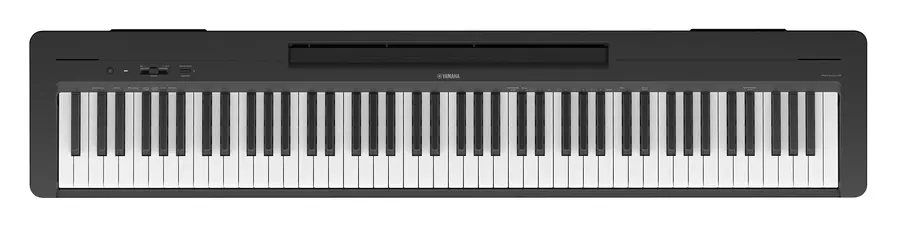
Image: Yamaha Yamaha P-145
-
Best key action for the money
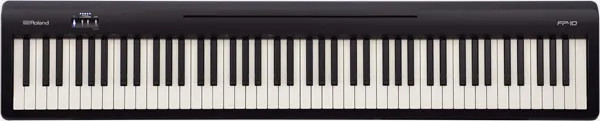
Image: Roland Corporation Roland FP-10
-
Best upgrade
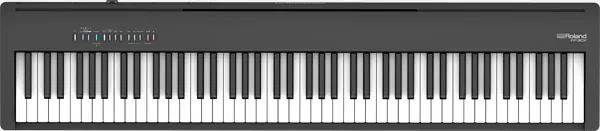
Image: Roland Corporation Roland FP-30X
-
Best for small spaces
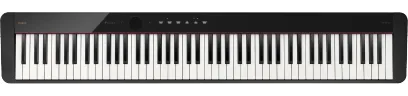
Image: Casio Casio Privia PX-S1100
-
Best piano feel
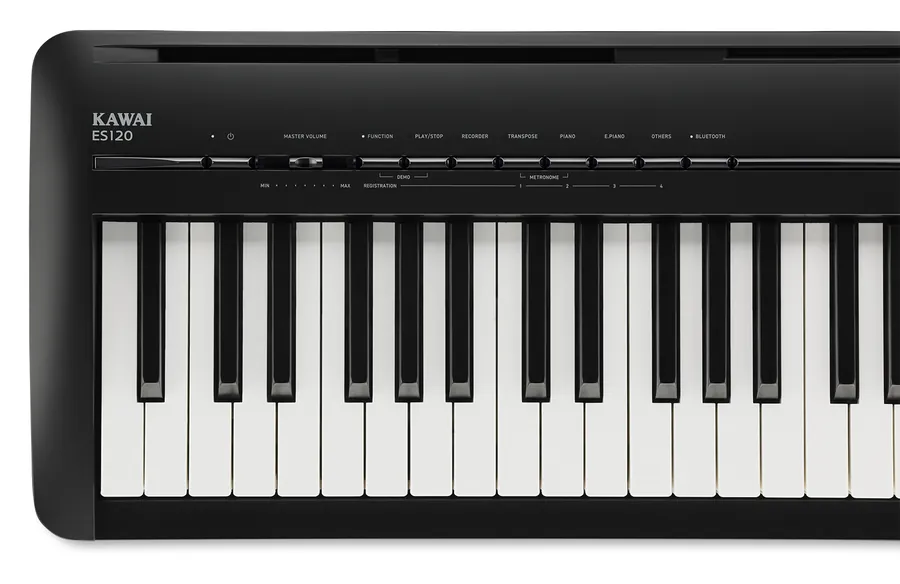
Image: Kawai Kawai ES120
Compare at a glance
| Price band | ||||||
|---|---|---|---|---|---|---|
| Yamaha P-145 | Best overall | GHC weighted | 64 | BT version (P-145BT) adds audio | 9.0 | $450–$550 |
| Roland FP-10 | Best key action for the money | PHA-4 Standard | 96 | MIDI only | 8.9 | $450–$520 |
| Roland FP-30X | Best upgrade | PHA-4 Standard | 256 | Audio + MIDI | 9.2 | $600–$700 |
| Casio Privia PX-S1100 | Best for small spaces | Smart Scaled Hammer | 192 | Audio | 8.7 | $550–$700 |
| Kawai ES120 | Best piano feel | Responsive Hammer Compact | 192 | Audio + MIDI | 9.0 | $800–$950 |
Yamaha P-145
The P-145 replaced Yamaha’s long-running P-45 and keeps what made it a teacher favourite: weighted GHC keys, a clear CFIIIS grand sample and almost no menus. Buy the P-145BT if you want Bluetooth audio for play-along practice.
- Action
- GHC weighted
- Sound
- CFIIIS grand sample
- Polyphony
- 64
- Bluetooth
- BT version (P-145BT) adds audio
What we like
- Simple controls teachers and parents like
- Dependable Yamaha build
- Clean, bright grand piano voice
What to know
- 64-note polyphony limits heavy sustain-pedal playing
- Few sounds beyond piano
Skip it if key feel is your top priority (the Roland FP-10 edges it).
Roland FP-10
The FP-10 uses the same PHA-4 action as Roland’s pricier FP-30X. Many reviewers rate its key feel above the Yamaha’s at this price. Bluetooth here is MIDI only, which is great for learning apps but cannot stream music through the speakers.
- Action
- PHA-4 Standard
- Sound
- SuperNATURAL
- Polyphony
- 96
- Bluetooth
- MIDI only
What we like
- Same PHA-4 action as the pricier FP-30X
- Bluetooth MIDI for learning apps
- Expressive piano engine
What to know
- Bluetooth is MIDI only — no streaming music through the speakers
- Small onboard speakers
Skip it if you want to play along to Spotify through the piano.
Roland FP-30X
256-note polyphony, stronger speakers and Bluetooth audio plus MIDI make the FP-30X a piano for years, not months. It is the step up most often recommended once a learner has stuck with it.
- Action
- PHA-4 Standard
- Sound
- SuperNATURAL
- Polyphony
- 256
- Bluetooth
- Audio + MIDI
What we like
- 256-note polyphony and stronger 11 W + 11 W speakers
- Bluetooth audio and MIDI
- Room to grow for years
What to know
- Costs a clear step more than entry models
- Heavier than slim rivals
Skip it if the budget is firmly around $500.
Casio Privia PX-S1100
The PX-S1100 is one of the slimmest 88-key pianos you can buy, and it can run on batteries. The trade-off is a shallower key feel than the Roland or Kawai.
- Action
- Smart Scaled Hammer
- Sound
- AiR engine
- Polyphony
- 192
- Bluetooth
- Audio
What we like
- Remarkably slim and light for small spaces
- Can run on batteries
- Stylish touch-panel design
What to know
- Touch controls are fiddly in the dark
- Shallower key feel than Roland/Kawai
Skip it if authentic key weight matters more than looks and size.
Kawai ES120
Kawai builds acoustic pianos, and the ES120 is focused on piano sound and feel. It is the priciest pick here, so it suits committed learners rather than a trial run.
- Action
- Responsive Hammer Compact
- Sound
- Kawai concert grand
- Polyphony
- 192
- Bluetooth
- Audio + MIDI
What we like
- Piano-focused sound and feel from a piano maker
- Bluetooth audio and MIDI
- Excellent headphone sound
What to know
- Priciest pick here
- Fewer extra voices than Casio or Roland
Skip it if you are testing whether a child will stick with piano.
Buying advice
What actually matters when you choose digital pianos for beginners.
Key action first
Graded hammer action, which is heavier in the bass and lighter in the treble, matches an acoustic piano.
Polyphony
64 notes works for beginners. 128 or more gives sustain-pedal-heavy music room to breathe.
Bluetooth MIDI vs audio
MIDI connects to apps like Simply Piano or Flowkey. Audio lets you stream music through the piano.
Stand & pedal
Most portable pianos ship with a basic switch pedal. A proper sustain pedal and a sturdy stand are worth the extra cost.
Also considered
- Casio CDP-S110. One of the cheapest 88-key weighted pianos. Fine for testing interest, but the sound and speakers are basic.
- Yamaha P-225. A step above the P-145 with better speakers and more sounds. Worth a look if you want to stay with Yamaha.
What we'd avoid
- 61-key unweighted keyboards for piano lessons. They don’t build the finger strength real piano needs, and most teachers will ask you to upgrade.
How we picked these
Every pick on this page is research-scored, not yet tested hands-on. We compared manufacturer specifications with the expert reviews listed below, then scored each model against our published criteria. When we test a model in person, its badge changes to "Tested hands-on" and we add our measurements and photos.
Sources: Pianoers: Best beginner pianos · Kawai America: Best Kawai digital piano for beginners · MusicRadar: Best Yamaha digital pianos
FAQ
Is a digital piano good for learning?
Yes. A digital piano with 88 weighted keys is recommended by most teachers and lets you practise silently with headphones.
Yamaha P-145 or Roland FP-10?
The P-145 is simpler. The FP-10 has the more expressive action. See our full comparison.
Do beginners need 88 keys?
For piano, yes. Many pieces use the full range, and weighted keys build proper technique.
What else do I need?
A stand, a bench, a sustain pedal and closed-back headphones.