Home Recording Buying guide
Best Studio Monitors for Home Studios 2026: 6 Picks Compared
The Yamaha HS5 is the best studio monitor for most home studios: honest, uncoloured and proven over years of mixes that translate. If you want deeper bass for the money, the Kali Audio LP-6 V2 is the mixing favourite; on a tight budget, the JBL 305P MkII is the best value.

-
Best overall
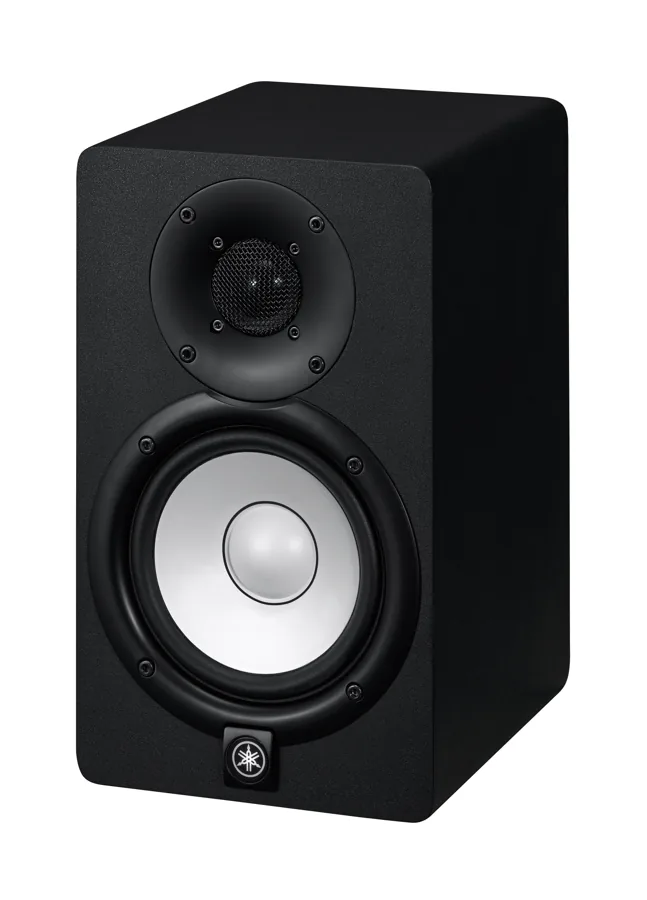
Image: Yamaha Yamaha HS5
-
Best for mixing
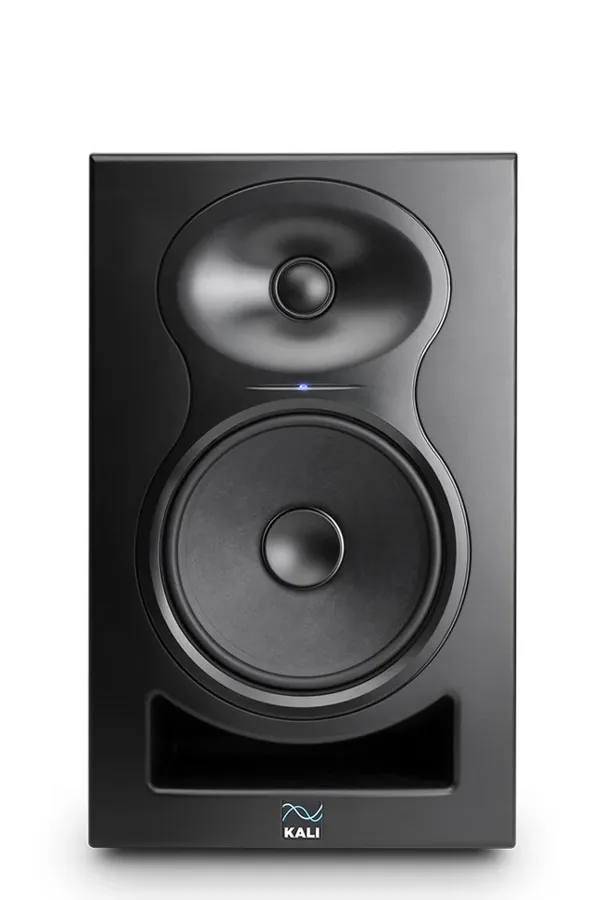
Image: Kali Audio Kali Audio LP-6 V2
-
Best value
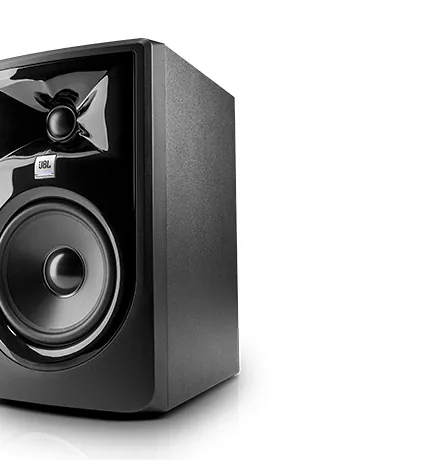
Image: JBL Professional JBL 305P MkII
-
Best detail
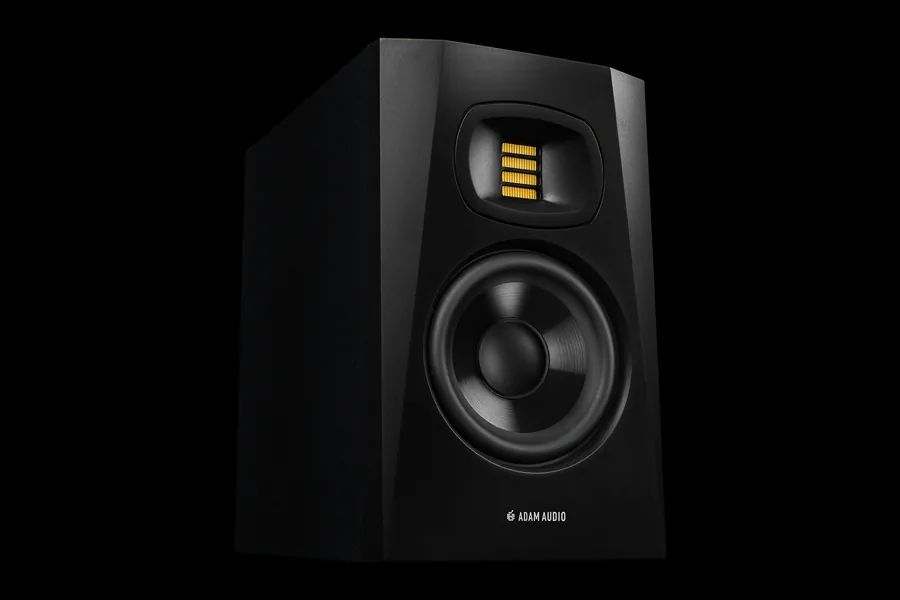
Image: ADAM Audio ADAM Audio T5V
-
Best for bass-heavy music
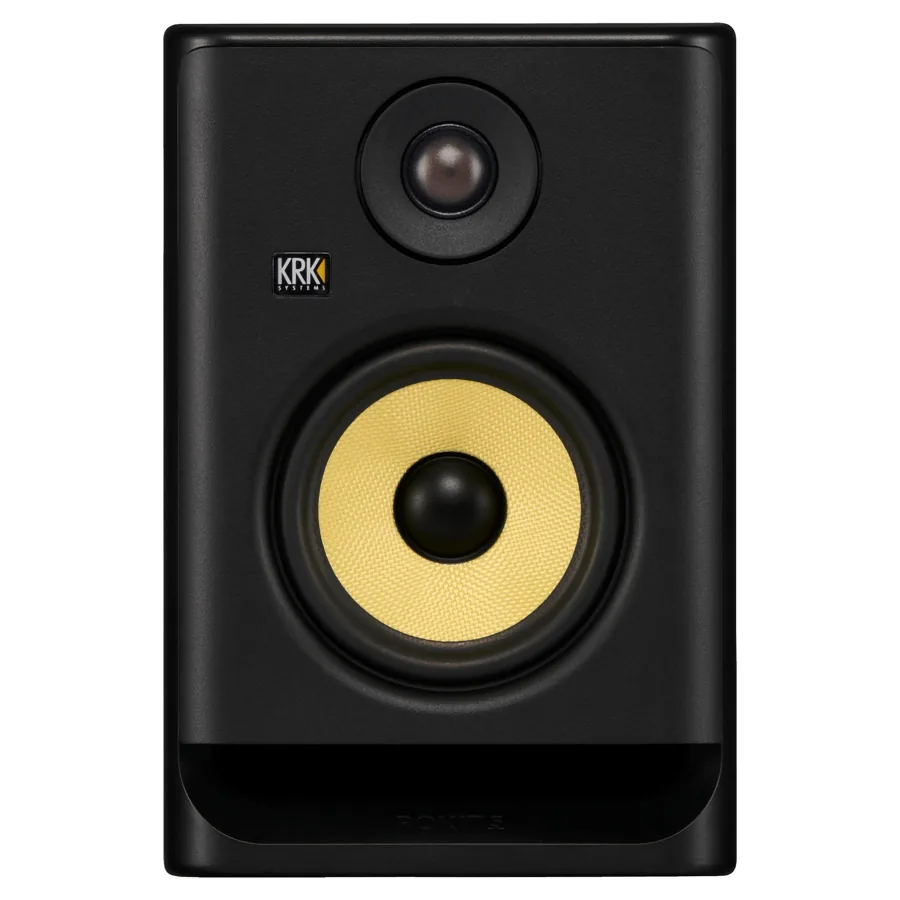
Image: KRK KRK Rokit 5 G5
-
Best for small desks
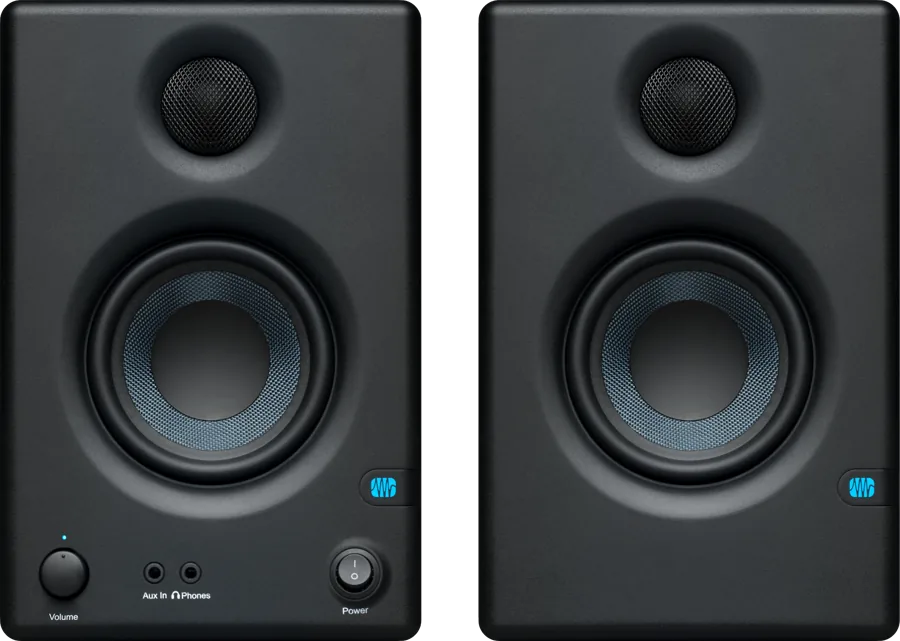
Image: PreSonus PreSonus Eris 3.5
Compare at a glance
| Price band | ||||||
|---|---|---|---|---|---|---|
| Yamaha HS5 | Best overall | 5" | XLR + TRS | Room control, high trim | 9.0 | $380–$420 per pair |
| Kali Audio LP-6 V2 | Best for mixing | 6.5" | XLR + TRS + RCA | Boundary EQ switches | 9.0 | $350–$450 per pair |
| JBL 305P MkII | Best value | 5" | XLR + TRS | Image Control Waveguide | 8.8 | $280–$330 per pair |
| ADAM Audio T5V | Best detail | 5" | XLR + RCA | U-ART ribbon tweeter | 8.8 | $400–$450 per pair |
| KRK Rokit 5 G5 | Best for bass-heavy music | 5" | XLR + TRS | DSP room tuning, Focus mode | 8.5 | $350–$400 per pair |
| PreSonus Eris 3.5 | Best for small desks | 3.5" | TRS + RCA + aux | Front headphone jack | 8.1 | $100–$130 per pair |
Yamaha HS5
The HS5 is famously flat and unforgiving. That's exactly what you want, because mixes that sound good on HS5s tend to sound good everywhere. Pair with a sub later if you need deep bass.
- Woofer
- 5"
- Power
- 70 W bi-amped (each)
- Inputs
- XLR + TRS
- Extras
- Room control, high trim
What we like
- Famously honest, uncoloured sound
- Mixes that sound good here translate well
- Simple, solid build
What to know
- Light on deep bass
- Rear port needs space from the wall
Skip it if you produce bass-heavy music and won't add a sub.
Kali Audio LP-6 V2
A 6.5" woofer gives deeper bass than the 5" picks, and the response is remarkably flat. Boundary EQ switches help when the speakers sit near a wall.
- Woofer
- 6.5"
- Power
- 80 W (each)
- Inputs
- XLR + TRS + RCA
- Extras
- Boundary EQ switches
What we like
- Very flat response for mixing
- Deeper bass than 5" rivals
- Built by ex-JBL engineers
What to know
- Large on a small desk
- Plain styling
Skip it if your desk is tight on space.
JBL 305P MkII
JBL's Image Control Waveguide gives a wide sweet spot, so the sound holds up when you move around the desk. Excellent clarity for the price.
- Woofer
- 5"
- Power
- 82 W (each)
- Inputs
- XLR + TRS
- Extras
- Image Control Waveguide
What we like
- Wide, forgiving sweet spot
- Clear, detailed sound for the money
- Great value
What to know
- Low-level hiss can be audible
- Plain finish
Skip it if you want the smallest possible speaker.
ADAM Audio T5V
ADAM's U-ART ribbon tweeter gives crisp, open highs and a precise stereo image. Great for detailed editing.
- Woofer
- 5"
- Power
- Bi-amped
- Inputs
- XLR + RCA
- Extras
- U-ART ribbon tweeter
What we like
- Ribbon tweeter gives crisp, open highs
- Detailed, three-dimensional image
- Good build for the price
What to know
- Highs can feel sharp to some ears
- Rear-ported
Skip it if you are sensitive to bright treble.
KRK Rokit 5 G5
Bigger low end and built-in DSP room tuning make the Rokit a favourite with hip-hop and EDM producers. Less neutral than the Yamaha or Kali.
- Woofer
- 5"
- Power
- Class D
- Inputs
- XLR + TRS
- Extras
- DSP room tuning, Focus mode
What we like
- Bigger low end suits hip-hop and EDM
- DSP room tuning built in
- Iconic yellow cones
What to know
- Less neutral than the Yamaha or Kali
- Settings menu takes learning
Skip it if you want the most neutral reference.
PreSonus Eris 3.5
Tiny, affordable and with a front headphone jack. A big step up from computer speakers, though not for serious mixing.
- Woofer
- 3.5"
- Power
- Class AB
- Inputs
- TRS + RCA + aux
- Extras
- Front headphone jack
What we like
- Small enough for any desk
- Front volume knob and headphone jack
- Big step up from computer speakers
What to know
- Limited bass and volume
- Not for serious mixing
Skip it if you plan to mix bass-heavy tracks seriously.
Buying advice
What actually matters when you choose studio monitors for home studios.
Room size
5" monitors suit small rooms. Larger rooms benefit from 6.5"–8" woofers or a sub.
Placement
Form an equilateral triangle with your head, tweeters at ear height, and keep rear ports away from walls.
Inputs
Balanced XLR or TRS inputs avoid hum. Most interfaces have TRS outputs.
Price per pair
Many monitors are sold singly. Check whether a price is for one speaker or two.
Also considered
- Yamaha HS7. The HS5's bigger sibling with more bass; great if your room is larger.
- Edifier MR5. An affordable three-way with Bluetooth; better for casual listening than precise mixing.
What we'd avoid
- Hi-fi or Bluetooth speakers for mixing. They flatter music with boosted bass and treble, so mixes don't translate.
How we picked these
Every pick on this page is research-scored, not yet tested hands-on. We compared manufacturer specifications with the expert reviews listed below, then scored each model against our published criteria. When we test a model in person, its badge changes to "Tested hands-on" and we add our measurements and photos.
Sources: MusicRadar: Best budget studio monitors · Sweetwater: Best studio monitors under $500 · MusicRadar: Best studio monitors
FAQ
Do I need studio monitors if I have headphones?
Not to start, but monitors make mixing easier and less tiring.
Do I need isolation pads?
Pads or stands decouple speakers from the desk and tighten the bass.
Do I need a subwoofer?
Not for most home studios with 5"–6.5" monitors.
Why do my mixes sound boomy?
Usually room reflections or speakers too close to a wall.