Guitars & Bass Buying guide
Best Guitars for Kids 2026: 5 Picks Compared
For most children, the Yamaha JR1 3/4 acoustic is the best first guitar: properly sized, well made and affordable. For a young rocker, the Squier Mini Stratocaster gives a real electric in a child-friendly size; for the gentlest strings, choose the Yamaha CGS103AII nylon-string guitar.

-
Best overall
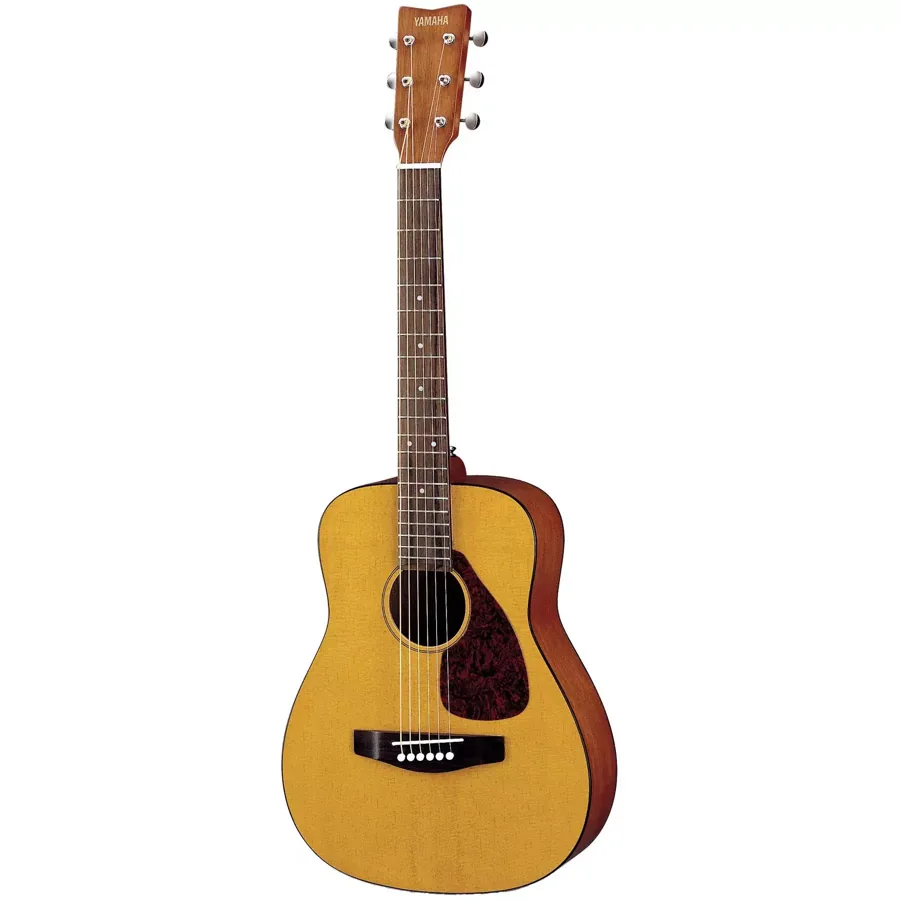
Image: Yamaha Yamaha JR1 (3/4)
-
Best electric for kids
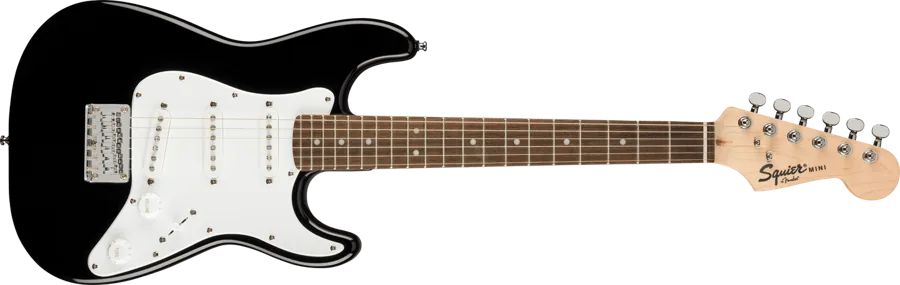
Image: Fender Squier Mini Stratocaster
-
Gentlest on fingers
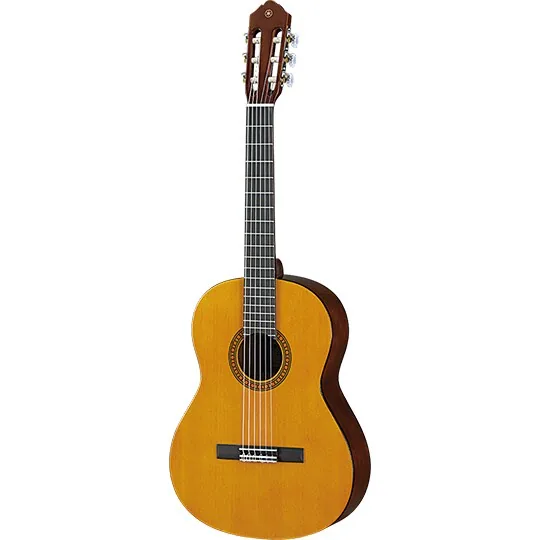
Image: Yamaha Yamaha CGS103AII (3/4)
-
Best premium
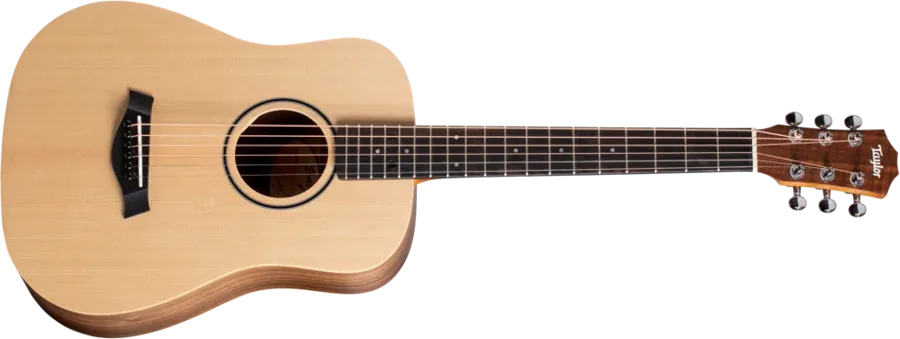
Image: Taylor Guitars Taylor Baby Taylor BT1
-
Best for older kids
Squier Sonic Mustang HH
Compare at a glance
| Price band | ||||||
|---|---|---|---|---|---|---|
| Yamaha JR1 (3/4) | Best overall | 3/4 dreadnought | 21.25" | Steel | 8.5 | $150–$180 |
| Squier Mini Stratocaster | Best electric for kids | 3/4 | 22.75" | — | 8.3 | $150–$200 |
| Yamaha CGS103AII (3/4) | Gentlest on fingers | 3/4 | — | Nylon | 8.4 | $140–$170 |
| Taylor Baby Taylor BT1 | Best premium | 3/4 dreadnought | 22.75" | Steel | 8.8 | $350–$400 |
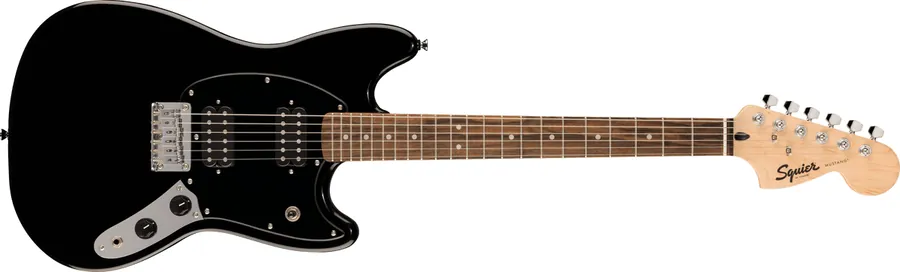 Squier Sonic Mustang HH | Best for older kids | — | 24" (short) | — | 8.3 | $180–$230 |
Yamaha JR1 (3/4)
The JR1 shrinks Yamaha's classic dreadnought to 3/4 size with a 21.25" scale, so chords are easier to reach. It comes with a gig bag and later makes a handy travel guitar.
- Size
- 3/4 dreadnought
- Top
- Spruce
- Scale
- 21.25"
- Strings
- Steel
What we like
- Small body and short scale for young players
- Gig bag included
- Doubles as a travel guitar later
What to know
- Steel strings are harder on small fingers than nylon
- Modest volume
Skip it if the child is under about 7 (consider a 1/2-size nylon guitar).
Squier Mini Stratocaster
A real Strat look and three single coils in a 3/4 size with a 22.75" scale. Pair it with a headphone amp for quiet practice.
- Size
- 3/4
- Pickups
- SSS
- Scale
- 22.75"
- Body
- Poplar
What we like
- A real Strat look in a child-friendly size
- Light and easy to hold
- Affordable
What to know
- Basic hardware
- Needs an amp or headphone amp
Skip it if the player is 12 or older (go full-size short-scale instead).
Yamaha CGS103AII (3/4)
Nylon strings are much softer than steel, which helps young beginners practise longer without sore fingertips.
- Size
- 3/4
- Top
- Spruce (laminate)
- Back/sides
- Meranti
- Strings
- Nylon
What we like
- Properly sized for children
- Soft nylon strings are kind to small fingers
- Yamaha build quality
What to know
- Outgrown in a few years
- Laminate tone
Skip it if the player is a teen or adult.
Taylor Baby Taylor BT1
Taylor build quality and a solid spruce top in a 3/4 body. It sounds bigger than it looks and becomes an adult travel guitar later.
- Size
- 3/4 dreadnought
- Top
- Solid spruce
- Scale
- 22.75"
- Strings
- Steel
What we like
- Taylor build and playability in a small guitar
- Solid top sounds bigger than it looks
- Becomes an adult travel guitar
What to know
- Costs about twice the JR1
- Small body limits bass
Skip it if budget is the main concern.
Squier Sonic Mustang HH
A full-width neck on a short 24" scale suits pre-teens who are outgrowing 3/4 guitars.
- Body
- Poplar
- Pickups
- HH
- Scale
- 24" (short)
- Bridge
- Hardtail
What we like
- Short 24" scale is easier on small hands and shorter arms
- Hardtail bridge stays in tune better than a cheap tremolo
- Two humbuckers are quiet and punchy for rock
What to know
- Short scale feels cramped for larger adult hands
- Limited clean, chimey tones
Skip it if the player is an adult with average or large hands.
Buying advice
What actually matters when you choose guitars for kids.
Size by height and age
Roughly 1/2 size for ages 5–8, 3/4 for ages 8–12, and full size or short scale from about 12.
Nylon or steel?
Nylon is kinder to small fingers. Steel-string acoustics and electrics are fine from about age 8.
Electric needs extras
Budget for a small amp or headphone amp and a cable.
A setup helps
Low string height matters even more for small hands.
Also considered
- Squier Mini Jazzmaster HH. A 3/4 electric with humbuckers for heavier styles.
- Fender Sonoran Mini. A colourful 3/4 acoustic alternative to the JR1.
What we'd avoid
- Toy guitars from toy shops. They rarely stay in tune and can put kids off playing. A real 3/4 guitar costs little more.
How we picked these
Every pick on this page is research-scored, not yet tested hands-on. We compared manufacturer specifications with the expert reviews listed below, then scored each model against our published criteria. When we test a model in person, its badge changes to "Tested hands-on" and we add our measurements and photos.
Sources: Guitar World: Best guitars for kids · Sweetwater: Best guitars for kids · Fender: Best guitars for kids
FAQ
What age can a child start guitar?
Many start around 5–7 with a 1/2-size nylon guitar.
Should a child start on electric or acoustic?
Whichever matches the music they love. Electrics are easier on fingers; nylon acoustics are gentlest.
When should my child move to a full-size guitar?
Usually around 12, or when they can reach comfortably.
Do kids need lessons?
Lessons or apps help them progress and stay motivated.