Keyboards & Pianos Comparison
Yamaha P-145 vs Roland FP-10: Which Should You Buy?
Choose the Roland FP-10 if key feel is your priority: its PHA-4 action is more expressive and it has more polyphony. Choose the Yamaha P-145 for the simplest possible learning piano. Buy the P-145BT version if you want Bluetooth audio, which the FP-10 does not have.

-
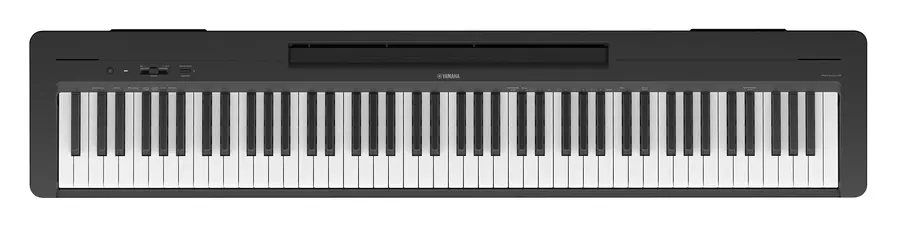
Image: Yamaha Yamaha P-145
Get it if you want the simplest possible piano, a bright Yamaha tone, or Bluetooth audio (P-145BT).
-
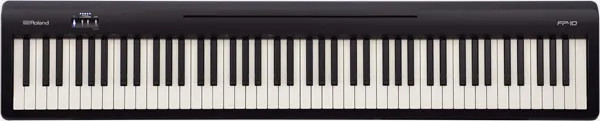
Image: Roland Corporation Roland FP-10
Get it if you care most about touch and dynamics, or plan to use learning apps over Bluetooth MIDI.
The differences that matter
- Key action
- The FP-10 uses Roland’s PHA-4 Standard action, which also appears on the pricier FP-30X. The P-145 uses Yamaha’s lighter GHC action.
- Polyphony
- FP-10: 96 notes. P-145: 64 notes. The difference shows with heavy sustain-pedal use.
- Bluetooth
- The FP-10 has Bluetooth MIDI only. The P-145BT adds Bluetooth audio, so you can stream songs through its speakers.
- Simplicity
- The P-145 has the fewest buttons of any piano in our guide, which teachers and parents appreciate.
Specs side by side
| Yamaha P-145 | Roland FP-10 | |
|---|---|---|
| Action | GHC weighted | PHA-4 Standard |
| Sound | CFIIIS grand sample | SuperNATURAL |
| Polyphony | 64 | 96 |
| Bluetooth | BT version (P-145BT) adds audio | MIDI only |
| Score | 9.0/10 | 8.9/10 |
| Price band | $450–$550 | $450–$520 |
How we compared them
This comparison is research-scored. We used manufacturer specs and the expert sources in our full buying guide, scored against our published criteria.