Home Recording Buying guide
Best Microphones for Home Recording 2026: 5 Picks Compared
For most home studios, start with a Shure SM57 for guitar amps and loud sources, and an Audio-Technica AT2020 for vocals and acoustic guitar. If you can spend more on one vocal mic, the Rode NT1 5th Gen is remarkably quiet and also plugs in by USB-C.

-
Best all-rounder
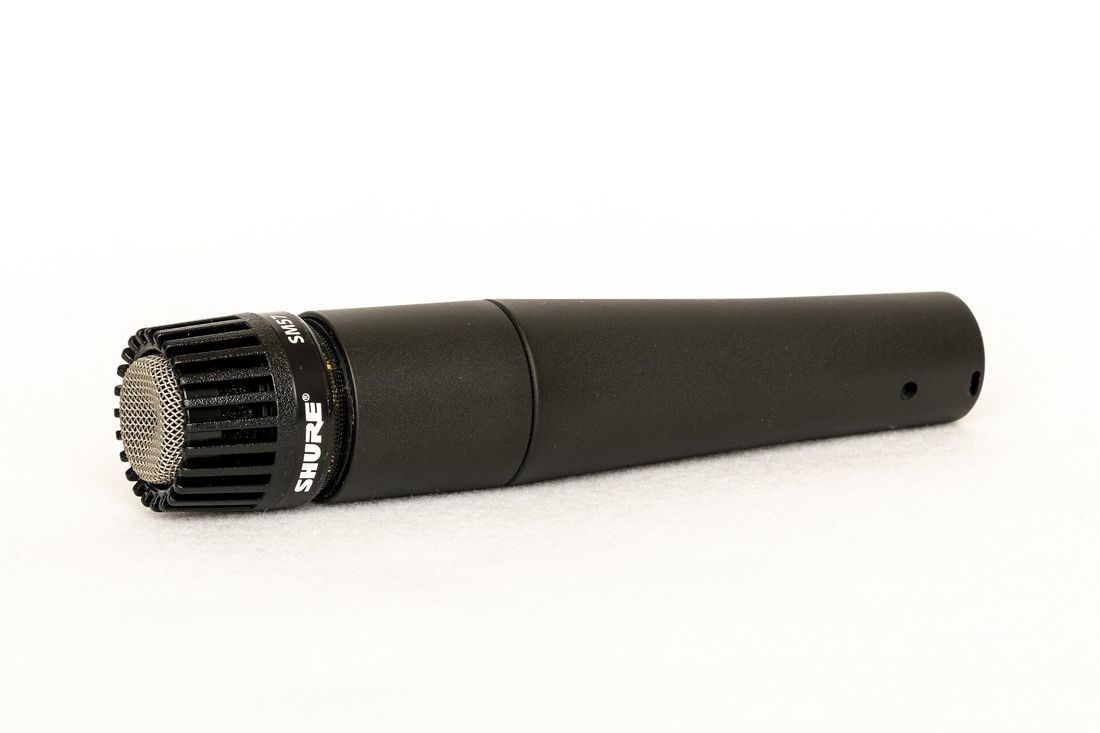
Photo: E bailey, CC BY-SA 4.0 Shure SM57
-
Best budget condenser
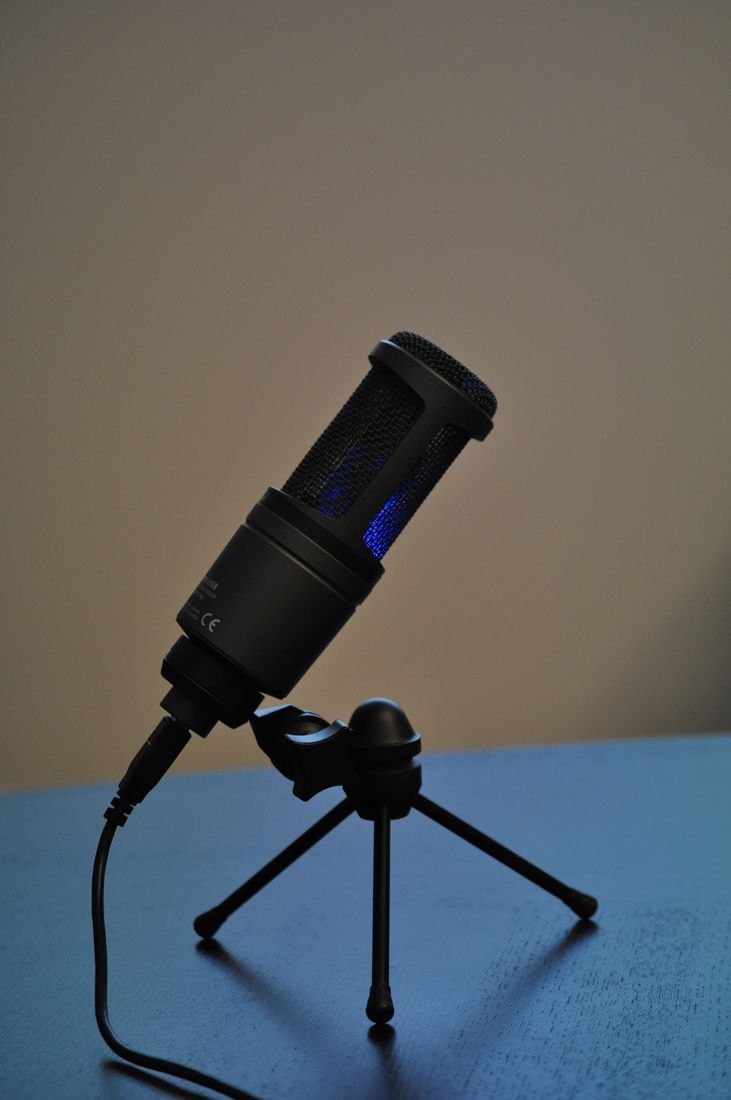
Photo: Lokal_Profil, CC BY-SA 4.0 Audio-Technica AT2020
-
Best vocal condenser
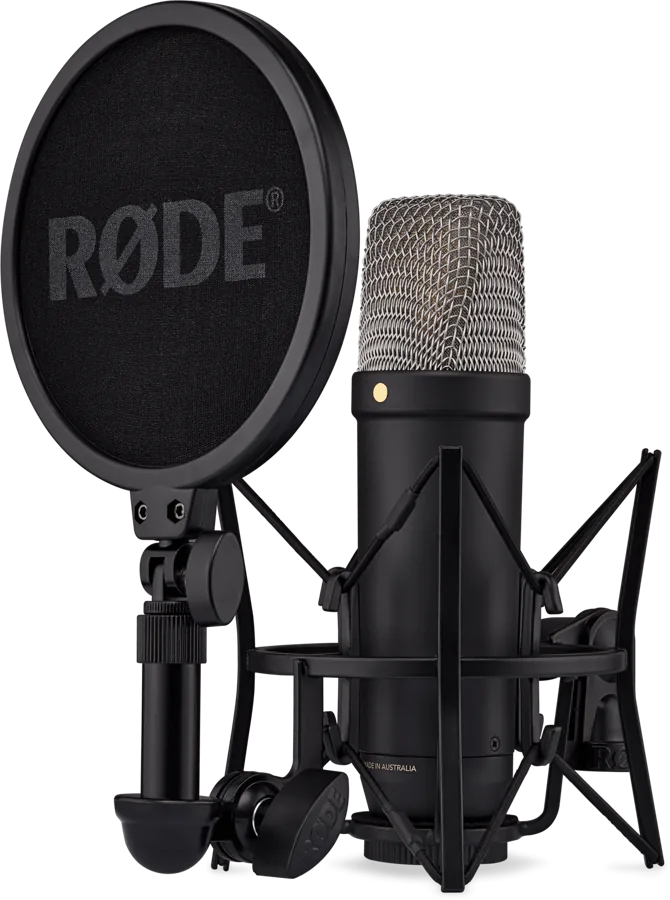
Image: Rode Rode NT1 5th Gen
-
Best dynamic vocal mic
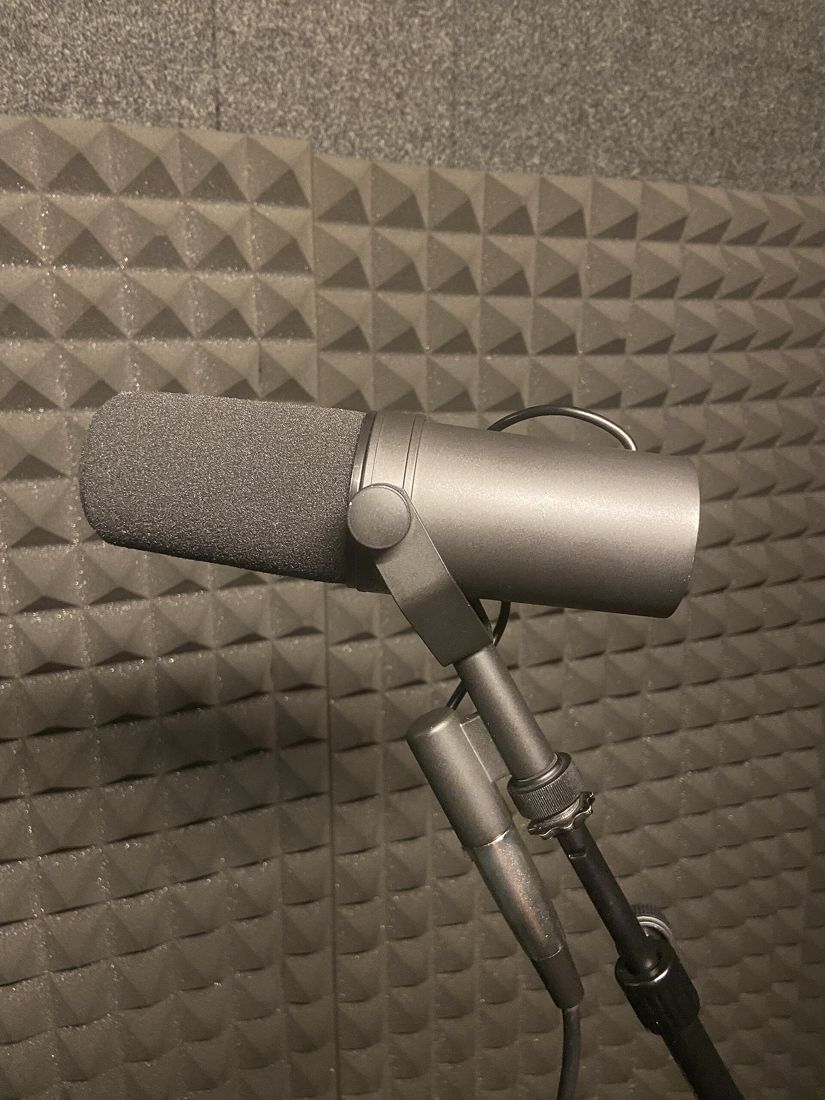
Photo: The Midnite Wolf, CC0 1.0 Shure SM7B
-
Best for live and home vocals
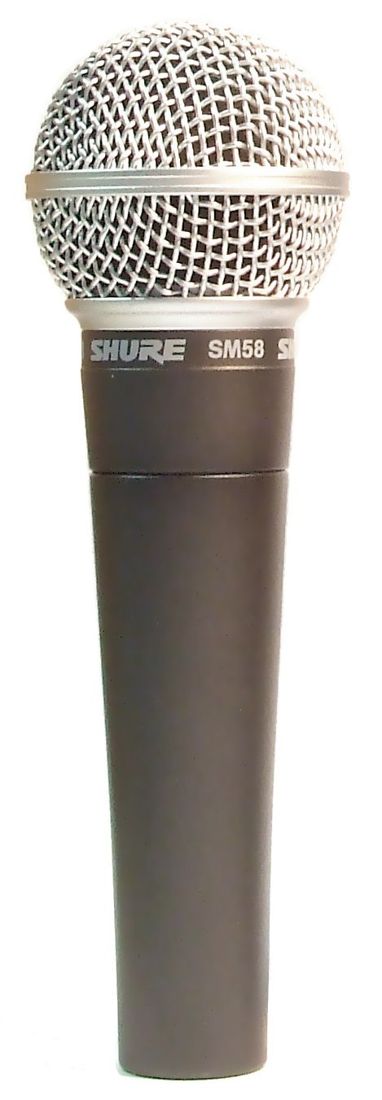
Photo: Iain Fergusson, CC BY 2.5 Shure SM58


Compare at a glance
| Price band | ||||||
|---|---|---|---|---|---|---|
| Shure SM57 | Best all-rounder | Dynamic | XLR | Guitar amps, snare, vocals | 9.1 | $100–$110 |
| Audio-Technica AT2020 | Best budget condenser | Condenser | XLR (48V) | Vocals, acoustic guitar | 8.8 | $90–$110 |
| Rode NT1 5th Gen | Best vocal condenser | Condenser | XLR + USB-C | Vocals, acoustic instruments | 9.1 | $250–$300 |
| Shure SM7B | Best dynamic vocal mic | Dynamic | XLR | Vocals, podcasts, amps | 9.0 | $380–$420 |
| Shure SM58 | Best for live and home vocals | Dynamic | XLR | Vocals (live and home) | 8.8 | $100–$110 |
Shure SM57
The SM57 has been on more guitar amps and snare drums than any other mic. It's affordable, nearly indestructible and forgiving in untreated rooms, so it's the first XLR mic most home studios should own.
- Type
- Dynamic
- Connection
- XLR
- Pattern
- Cardioid
- Best on
- Guitar amps, snare, vocals
What we like
- The standard mic for guitar amps and snare drums
- Nearly indestructible
- Holds its resale value
What to know
- Less airy top end than a condenser
- Needs an audio interface
Skip it if you only record delicate vocals in a quiet room.
Audio-Technica AT2020
The AT2020 is the default first condenser for good reason: clear, detailed and able to handle loud sources too. It needs 48 V phantom power, which every interface in our guide provides.
- Type
- Condenser
- Connection
- XLR (48V)
- Pattern
- Cardioid
- Best on
- Vocals, acoustic guitar
What we like
- The default first condenser for home studios
- Handles loud sources as well as quiet ones
- Great value
What to know
- Needs phantom power and a quiet room
- Slightly bright on some voices
Skip it if your room is noisy: a dynamic will sound cleaner.
Rode NT1 5th Gen
Rode rebuilt the NT1 with extremely low self-noise (about 4 dBA) and added a USB-C output alongside XLR. It's a mic you won't outgrow, as long as your room is quiet.
- Type
- Condenser
- Connection
- XLR + USB-C
- Pattern
- Cardioid
- Best on
- Vocals, acoustic instruments
What we like
- Extremely low self-noise (about 4 dBA)
- Use it over XLR or straight into a computer by USB-C
- Internal shock mounting
What to know
- Reveals every flaw in an untreated room
- Costs more than entry condensers
Skip it if you record in a noisy space.
Shure SM7B
The SM7B's smooth, close-up sound and noise rejection made it the podcast and vocal standard. It needs plenty of clean gain, so budget for an inline booster with entry-level interfaces.
- Type
- Dynamic
- Connection
- XLR
- Pattern
- Cardioid
- Best on
- Vocals, podcasts, amps
What we like
- Smooth, broadcast-standard vocal sound
- Superb rejection of room noise
- Built for decades of use
What to know
- Needs a lot of clean gain (or an inline booster)
- Big and heavy
Skip it if you only have a basic interface and no booster.
Shure SM58
The SM58 is the SM57's vocal sibling, with a built-in ball grille against plosives. Ideal if you sing at rehearsals and gigs as well as at home.
- Type
- Dynamic
- Connection
- XLR
- Pattern
- Cardioid
- Best on
- Vocals (live and home)
What we like
- Built-in ball grille tames plosives
- Equally useful at rehearsals and gigs
- Very forgiving in untreated rooms
What to know
- Not as detailed as a studio condenser
- Needs a fair amount of gain
Skip it if you want a dedicated studio vocal sound.
Buying advice
What actually matters when you choose microphones for home recording.
Match the mic to the source
Dynamics for amps, drums and loud singers; condensers for detailed vocals and acoustic instruments.
Your room matters more than the mic
A condenser in an echoey room sounds worse than a dynamic. Treat the room or choose a dynamic.
Phantom power and gain
Condensers need 48 V phantom power. Low-output dynamics like the SM7B need lots of gain.
Start with two
An SM57 plus an AT2020 covers almost everything in a home studio.
Also considered
- Shure MV7+. A hybrid USB/XLR dynamic. Great for voice; see our USB microphone guide.
- Rode NT1-A. The older NT1 version; still good, but the 5th Gen is quieter and adds USB-C.
What we'd avoid
- Cheap condenser "studio packs" with no brand. High self-noise and harsh treble. An AT2020 is a far better first condenser.
How we picked these
Every pick on this page is research-scored, not yet tested hands-on. We compared manufacturer specifications with the expert reviews listed below, then scored each model against our published criteria. When we test a model in person, its badge changes to "Tested hands-on" and we add our measurements and photos.
Sources: MusicRadar: Best microphones for recording · SoundGuys: Best recording microphones · Shure: Best microphones for home recording
FAQ
Do I need an audio interface for XLR mics?
Yes. XLR mics connect to an interface, which connects to your computer. The Rode NT1 5th Gen is an exception, with USB-C as well.
SM57 or SM58 for vocals?
Both work. The SM58's ball grille handles close singing better; the SM57 is more versatile on instruments.
Why is my SM7B so quiet?
It's a low-output mic. Turn the interface gain up or add an inline booster.
What is self-noise?
The hiss a microphone makes on its own. Lower is better for quiet sources.