Home Recording Buying guide
Best USB Microphones 2026: 6 Picks Compared
The Shure MV7+ is the best USB microphone for most people. Its dynamic capsule ignores much of an untreated room, and it has both USB-C and XLR, so it keeps working if you add an audio interface later. For singing or acoustic guitar in a quiet room, the Rode NT-USB+ condenser sounds more detailed.

-
Best overall
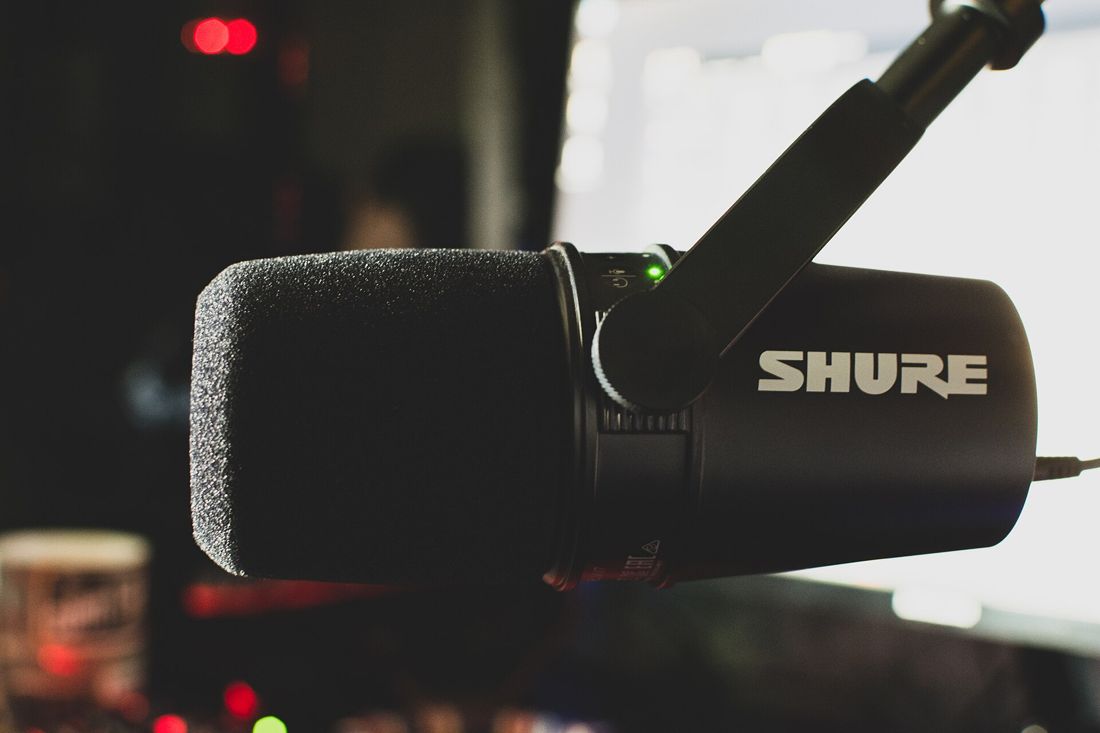
Photo: Panos Sakalakis, CC BY 2.0 Shure MV7+
-
Best for singing & acoustic
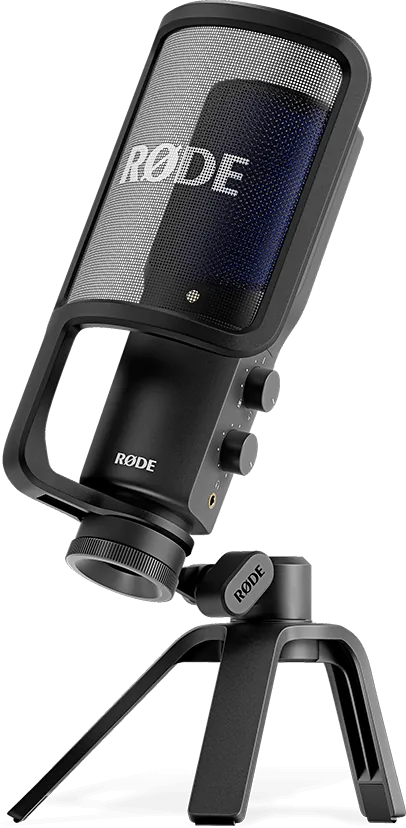
Image: Rode Rode NT-USB+
-
Best value
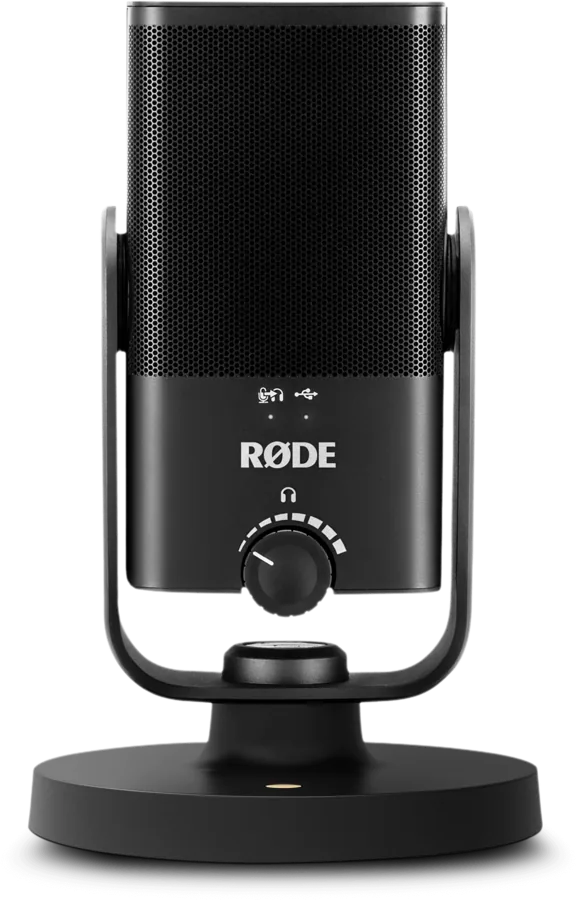
Image: Rode Rode NT-USB Mini
-
Best for music
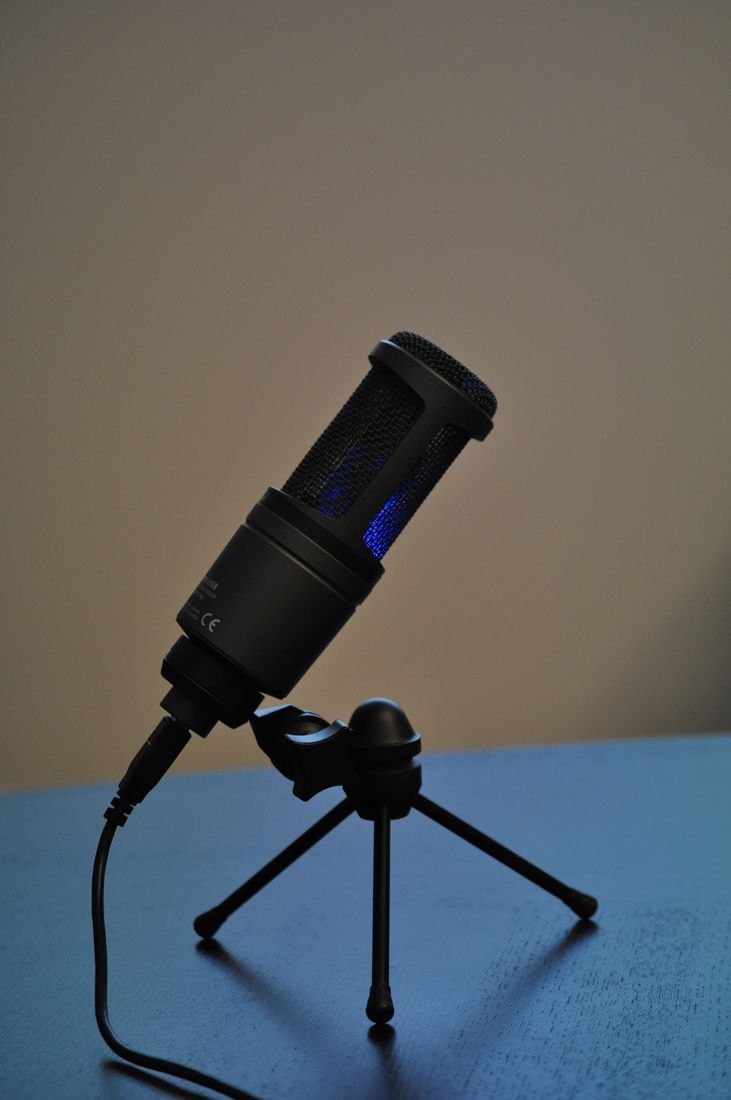
Photo: Lokal_Profil, CC BY-SA 4.0 Audio-Technica AT2020USB-X
-
Best for podcasts with guests
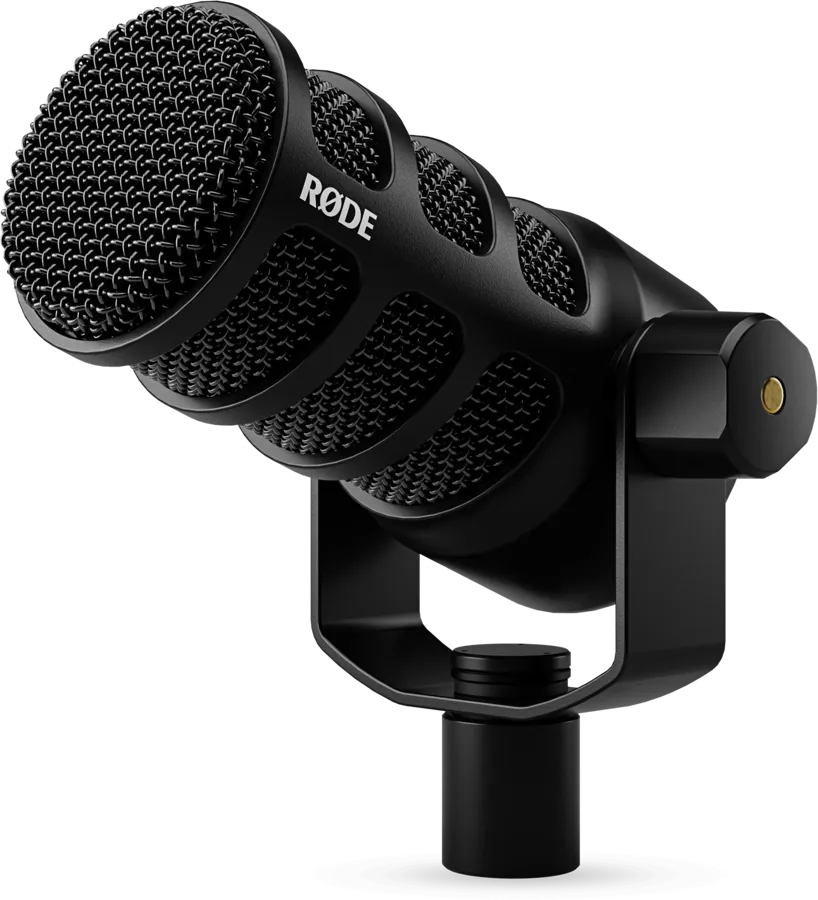
Image: Rode Rode PodMic USB
-
Best budget
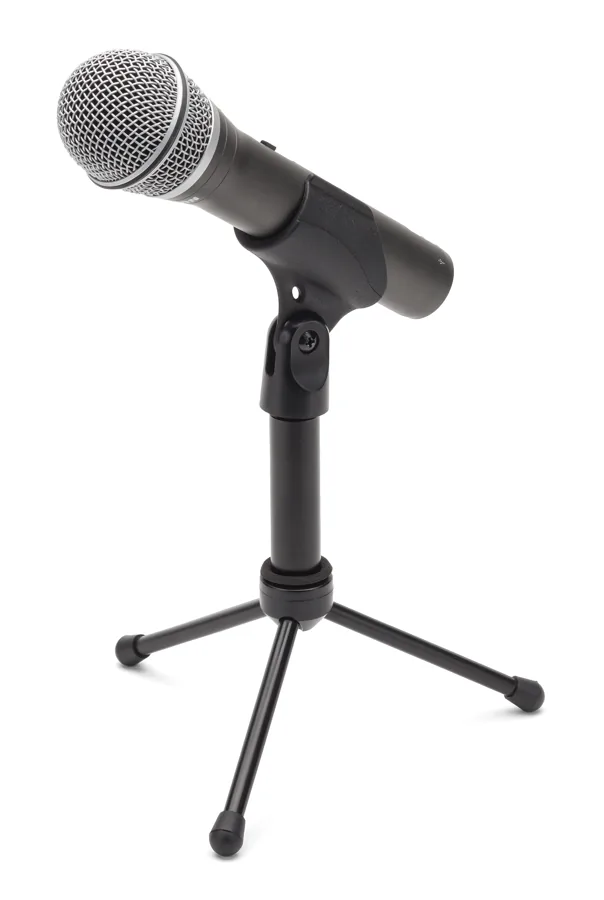
Image: Samson Samson Q2U


Compare at a glance
| Price band | ||||||
|---|---|---|---|---|---|---|
| Shure MV7+ | Best overall | Dynamic | USB-C + XLR | Auto Level, Digital Popper Stopper, touch panel | 9.2 | $250–$300 |
| Rode NT-USB+ | Best for singing & acoustic | Condenser | USB-C | Built-in DSP, headphone output | 8.9 | $150–$180 |
| Rode NT-USB Mini | Best value | Condenser | USB | Headphone output, magnetic desk stand | 8.5 | $90–$110 |
| Audio-Technica AT2020USB-X | Best for music | Condenser | USB-C | Mix control, mute | 8.7 | $140–$180 |
| Rode PodMic USB | Best for podcasts with guests | Dynamic | USB-C + XLR | Built-in DSP, internal pop filter | 8.7 | $180–$220 |
| Samson Q2U | Best budget | Dynamic | USB + XLR | Headphone output | 8.0 | $60–$90 |
Shure MV7+
The MV7+ is the mic most podcasters and streamers end up with, for good reason. A dynamic capsule only hears what's close to it, so keyboards and room echo stay quiet. Auto Level sets your gain for you, and the XLR output means it can move to an interface or mixer when your setup grows.
- Type
- Dynamic
- Connection
- USB-C + XLR
- Pattern
- Cardioid
- Extras
- Auto Level, Digital Popper Stopper, touch panel
What we like
- Dynamic capsule ignores much of an untreated room
- USB-C now and XLR later: it grows with your setup
- Auto Level and noise reduction work on the mic itself
What to know
- Pricey for a USB mic
- Needs to be close to your mouth to sound its best
Skip it if you want to record acoustic instruments in a quiet room (a condenser suits that better).
Rode NT-USB+
A condenser captures more detail and air than a dynamic, which flatters vocals and acoustic guitar. The NT-USB+ adds onboard processing through Rode's free apps and a zero-latency headphone output. Use it in a quiet, soft-furnished room.
- Type
- Condenser
- Connection
- USB-C
- Pattern
- Cardioid
- Extras
- Built-in DSP, headphone output
What we like
- Clear, detailed condenser sound for voice and acoustic guitar
- Onboard processing via Rode apps
- Zero-latency headphone monitoring
What to know
- Picks up more room noise than a dynamic
- No on-mic gain control
Skip it if you record in a noisy or echoey room.
Rode NT-USB Mini
The NT-USB Mini gives you a clear condenser sound, a headphone output and a sturdy magnetic stand for far less than the premium picks. Keep it in a quiet room.
- Type
- Condenser
- Connection
- USB
- Pattern
- Cardioid
- Extras
- Headphone output, magnetic desk stand
What we like
- Clear studio-condenser sound at a low price
- Compact with a solid magnetic stand
- Zero-latency headphone output
What to know
- Condenser: hears room echo and keyboard noise
- No XLR output
Skip it if you record in a noisy room (a dynamic suits that better).
Audio-Technica AT2020USB-X
The AT2020 is one of the most popular home-studio condensers, and this version plugs straight into USB-C. It suits singer-songwriters who record in a calm space.
- Type
- Condenser
- Connection
- USB-C
- Pattern
- Cardioid
- Extras
- Mix control, mute
What we like
- The classic AT2020 studio sound in USB form
- Good for singing and acoustic instruments
- Headphone jack with mix control
What to know
- Condenser: needs a quiet room
- Plain looks and basic software
Skip it if you mostly stream or podcast in a busy room.
Rode PodMic USB
Broadcast-style tone, low room pickup and both USB and XLR in a tank-like body. Pair two over XLR on an interface for a two-host show.
- Type
- Dynamic
- Connection
- USB-C + XLR
- Pattern
- Cardioid
- Extras
- Built-in DSP, internal pop filter
What we like
- Broadcast-style voice with low room pickup
- USB and XLR on one mic
- Very solid metal build
What to know
- Heavy: needs a sturdy arm or stand
- Voice-focused rather than a music mic
Skip it if you want one mic for singing and acoustic guitar.
Samson Q2U
The cheapest sensible dynamic mic with both USB and XLR. It sounds thinner than the premium picks but beats any laptop or headset mic.
- Type
- Dynamic
- Connection
- USB + XLR
- Pattern
- Cardioid
- Extras
- Headphone output
What we like
- Cheapest sensible way into a dynamic USB/XLR mic
- Handheld style works on a desk or stand
- XLR output for later upgrades
What to know
- Thinner sound than premium picks
- Basic stand in the box
Skip it if you can spend a little more: the NT-USB+ or MV7+ are clear steps up.
Buying advice
What actually matters when you choose usb microphones.
Dynamic or condenser?
Dynamic mics reject room noise and suit untreated rooms. Condensers capture more detail but hear everything, so they need a quiet room.
USB only, or USB + XLR?
USB is simplest. A mic with XLR as well keeps working if you buy an audio interface later.
Distance matters
Dynamic mics sound best a few inches from your mouth. Plan for a boom arm.
Headphone output
A headphone jack on the mic lets you hear yourself without delay.
Also considered
- Logitech (Blue) Yeti. A popular multi-pattern condenser, but it picks up a lot of room and keyboard noise on a desk.
- Shure MV6. A cheaper, USB-only dynamic with much of the MV7+ voice sound; worth a look if you never plan to use XLR.
What we'd avoid
- Unbranded "podcast kits" under $40. Noisy electronics and flimsy stands. A Samson Q2U costs little more and lasts years.
How we picked these
Every pick on this page is research-scored, not yet tested hands-on. We compared manufacturer specifications with the expert reviews listed below, then scored each model against our published criteria. When we test a model in person, its badge changes to "Tested hands-on" and we add our measurements and photos.
Sources: MusicRadar: Best USB microphones · Guitar Center: Best USB microphones · Thomann: Best USB microphones for beginners
FAQ
Is a USB mic good enough for music?
For vocals and acoustic guitar demos, yes. For recording several sources at once, an audio interface and XLR mics are more flexible.
Do I need a pop filter?
For close vocals, yes, unless the mic has a built-in one. It stops "p" and "b" sounds from thumping.
Can I use two USB mics at once?
It's awkward on most computers. Two XLR mics on a two-input interface is far easier.
Why does my USB mic sound echoey?
Usually the room. Move closer to the mic, add soft furnishings, or switch to a dynamic mic.